
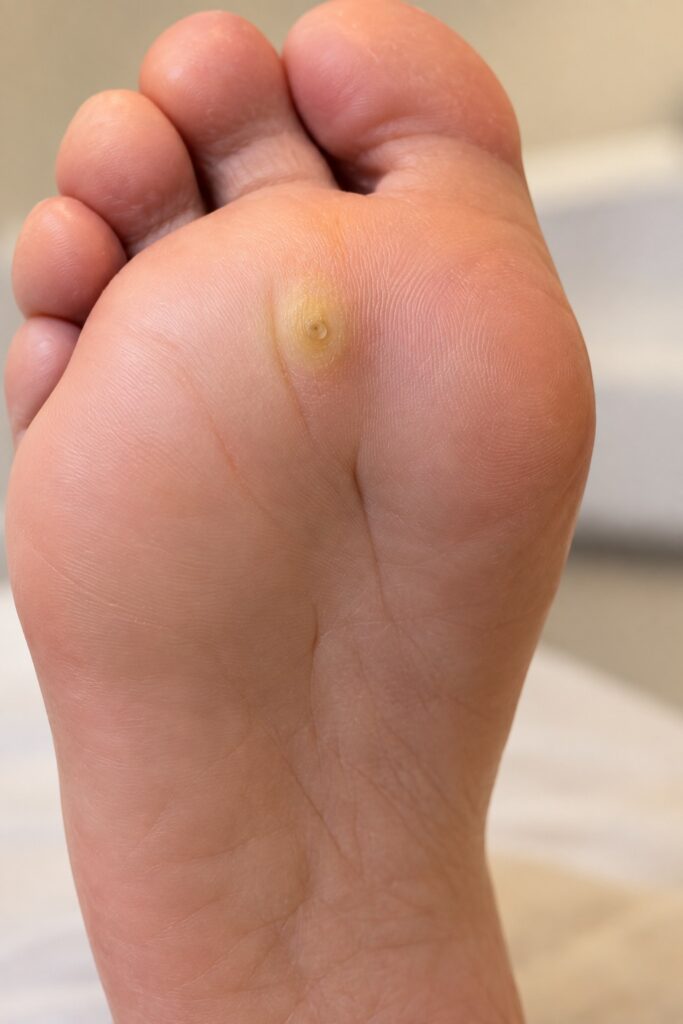
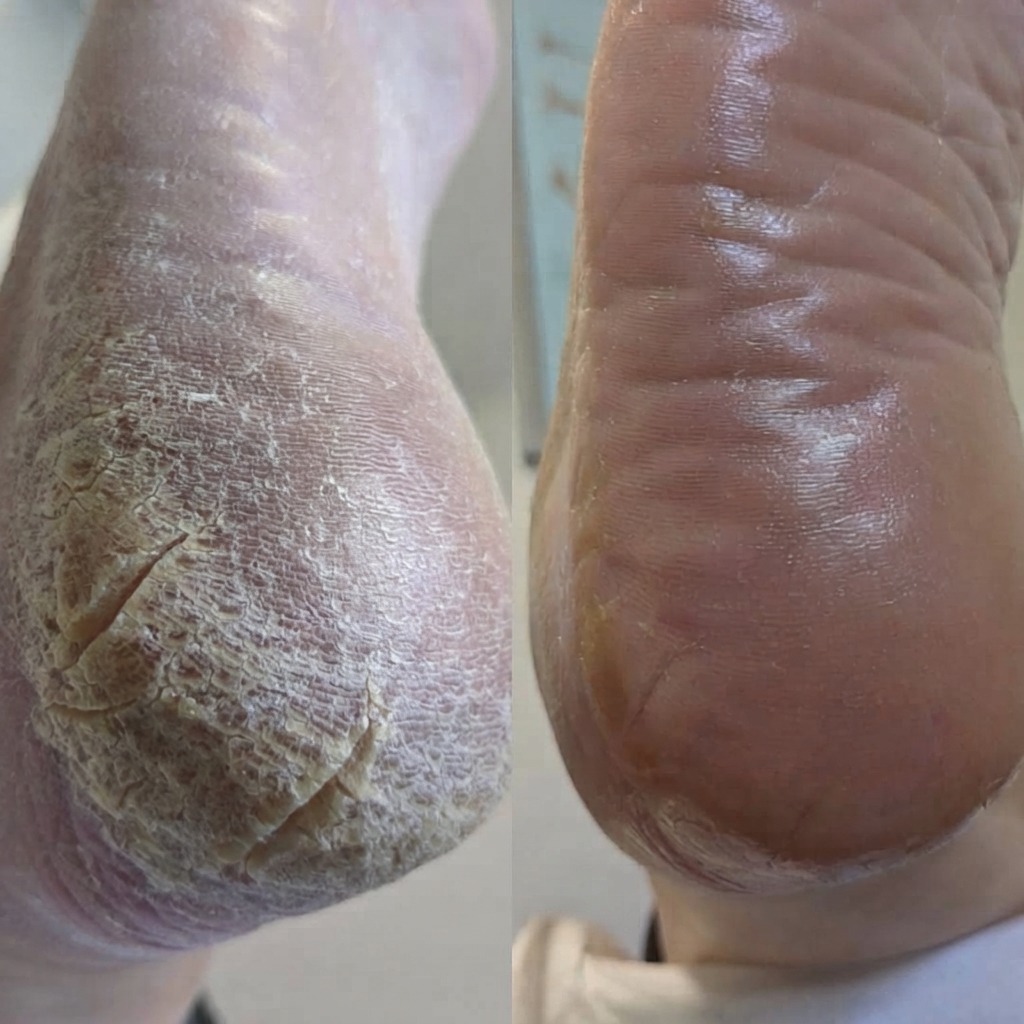
Verrucas are a type of wart that develops on the soles of the feet, caused by the human papillomavirus (HPV). The virus typically enters the skin through tiny cuts or abrasions, making areas like communal showers, swimming pools, and gyms common sources of infection.
Verrucas appear as rough growths with small black dots (capillaries) that may be painful when pressure is applied.
This is particularly when located on weight-bearing areas of the foot. It is important to know that the success of these treatments depends significantly on the body’s immune response to the virus.

Your podiatrist will first assess the verruca, then gently remove it using sterile instruments. Treatment is quick and usually well tolerated.
Treatment is tailored to you and may include careful removal, topical treatments and cryotherapy. Your podiatrist will explain each step and recommend what suits you best.
Verrucas are treated by a podiatrist using safe, sterile techniques, with aftercare advice to support healing and help prevent recurrence.
Fungal toenails, or onychomycosis, are caused by dermatophytes—fungi that thrive in warm, moist environments like shoes. These fungi enter through small cracks in the nail or skin, feeding on keratin and leading to thick, discoloured, and brittle nails.
The infection usually begins at the nail’s edge and spreads deeper. Risk factors include poor foot hygiene, tight footwear, and walking barefoot in communal areas.

Treatment involves regular nail debridement, topical antifungals, and, in some cases, oral antifungal medications. Recovery can take several months due to slow regrowth rates.
Diabetic foot care is crucial due to the increased risk of complications like neuropathy and poor circulation, which can lead to serious issues if not managed properly.

A diabetic foot check is essential for early detection of problems. This comprehensive assessment includes Doppler testing to evaluate blood flow, monofilament testing to check for nerve damage, and tuning fork tests to assess vibration sensitivity.
Regular foot checks help prevent ulcers, infections, and more severe complications, making them a key component of diabetic care.
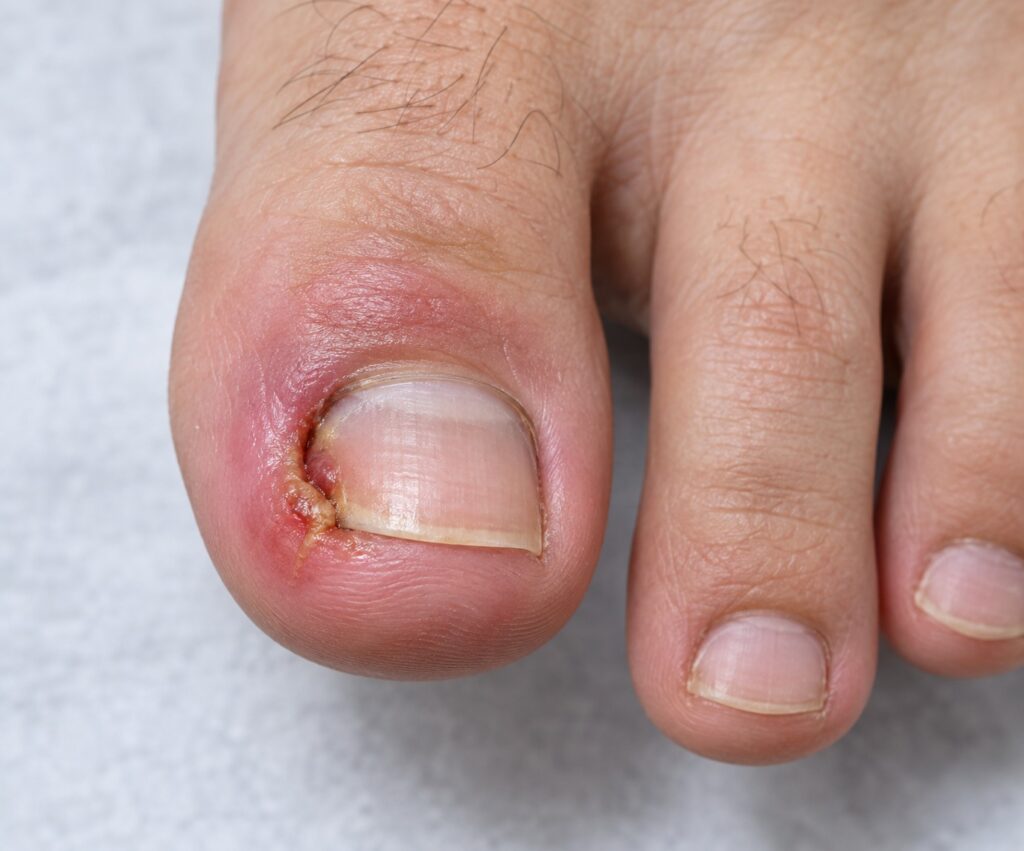
Heel pain is commonly caused by plantar fasciitis, a condition where the thick band of tissue running along the bottom of the foot becomes inflamed due to overuse or strain.
Other causes include Achilles tendinitis and heel spurs, which also result from stress on the heel.
Contributing factors include poor footwear, pronation, obesity, and prolonged standing. The pain typically occurs at the bottom or back of the heel and can worsen with activity, making early diagnosis and treatment essential to prevent further complications.

Treatment for heel pain depends on the cause, but often includes rest, wearing supportive footwear, and using insoles to reduce pressure on the heel. Gentle stretching exercises for the foot and calf can help relieve tension, while applying ice may reduce inflammation and pain. In some cases, a podiatrist may recommend taping, special padding, or shockwave therapy for stubborn pain.
Making changes to daily activities, improving posture, or managing weight can also support long-term recovery.
Nail trauma, such as from a heavy object dropping on the toe or repetitive pressure, can lead to a subungual hematoma, where blood collects under the nail, causing discoloration and intense pain.
Over time, the trauma can result in long-term damage to the nail, including onychauxis (abnormal thickening of the nail) and onycholysis (detachment of the nail from the nail bed).
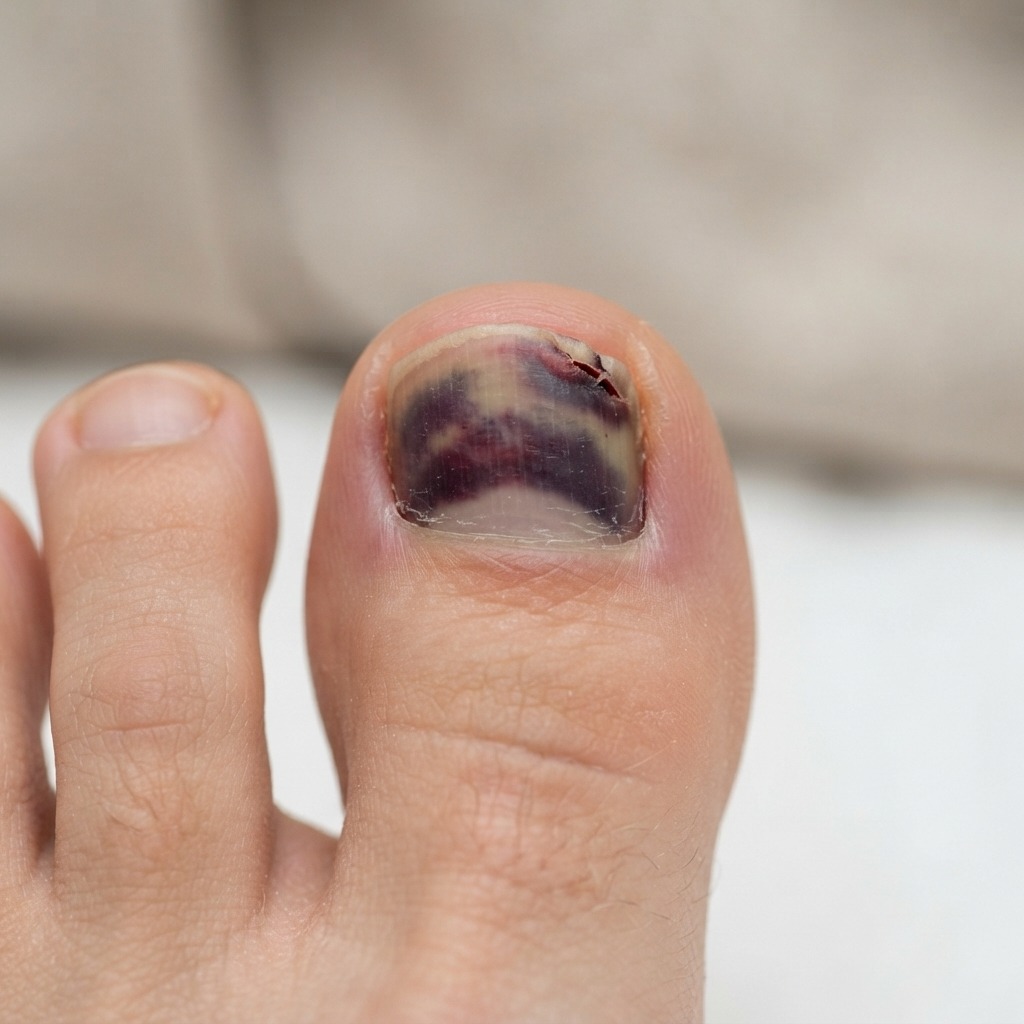
Depending on the severity of the injury, the toenail may take several months to a year to fully regrow, often requiring careful management to minimise further complications.
Biomechanics is the study of how your body moves, especially how your feet, ankles, knees, and hips work together when you walk or run. If something is out of alignment, it can lead to pain or discomfort not just in the feet, but also in the legs, back, or hips.

WhatsApp us